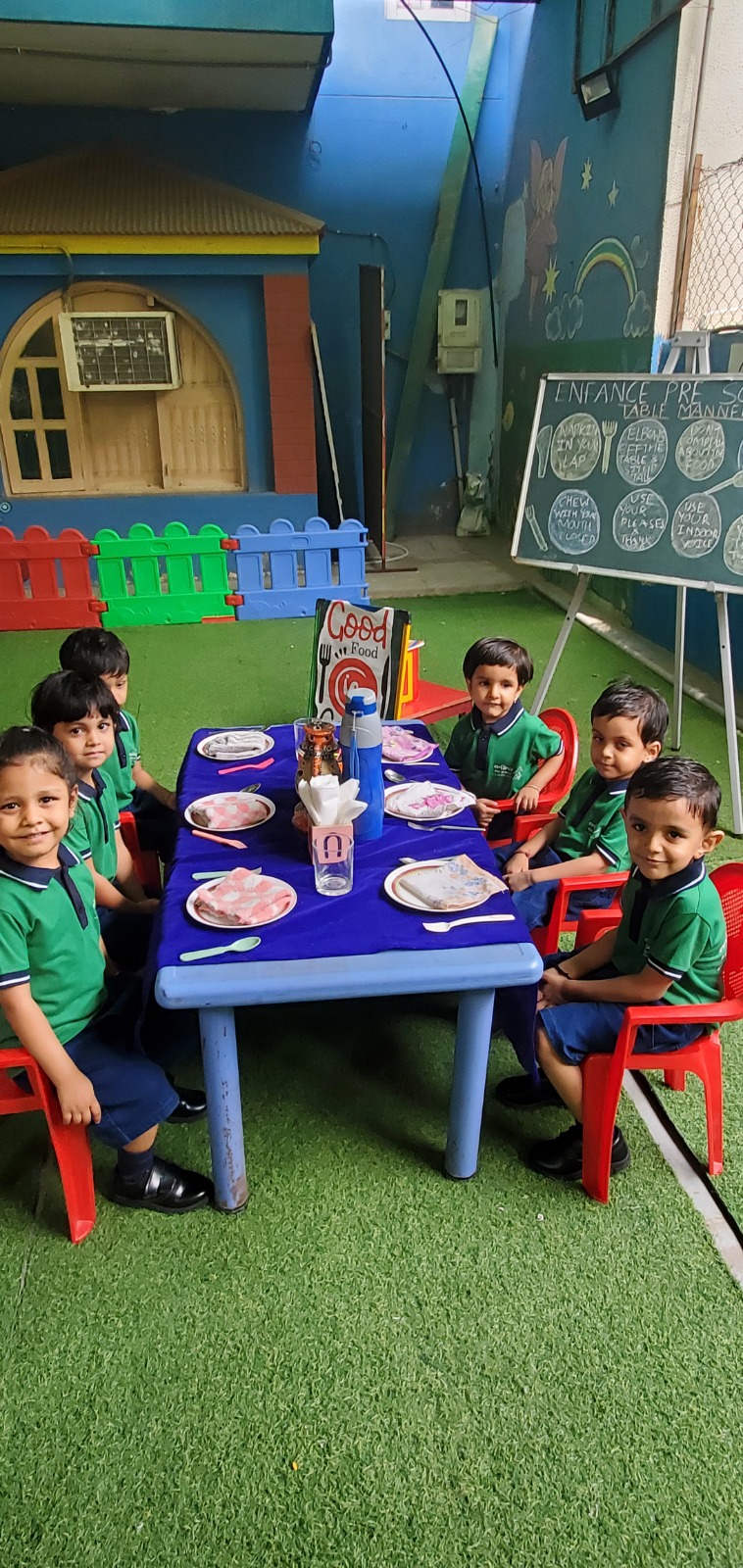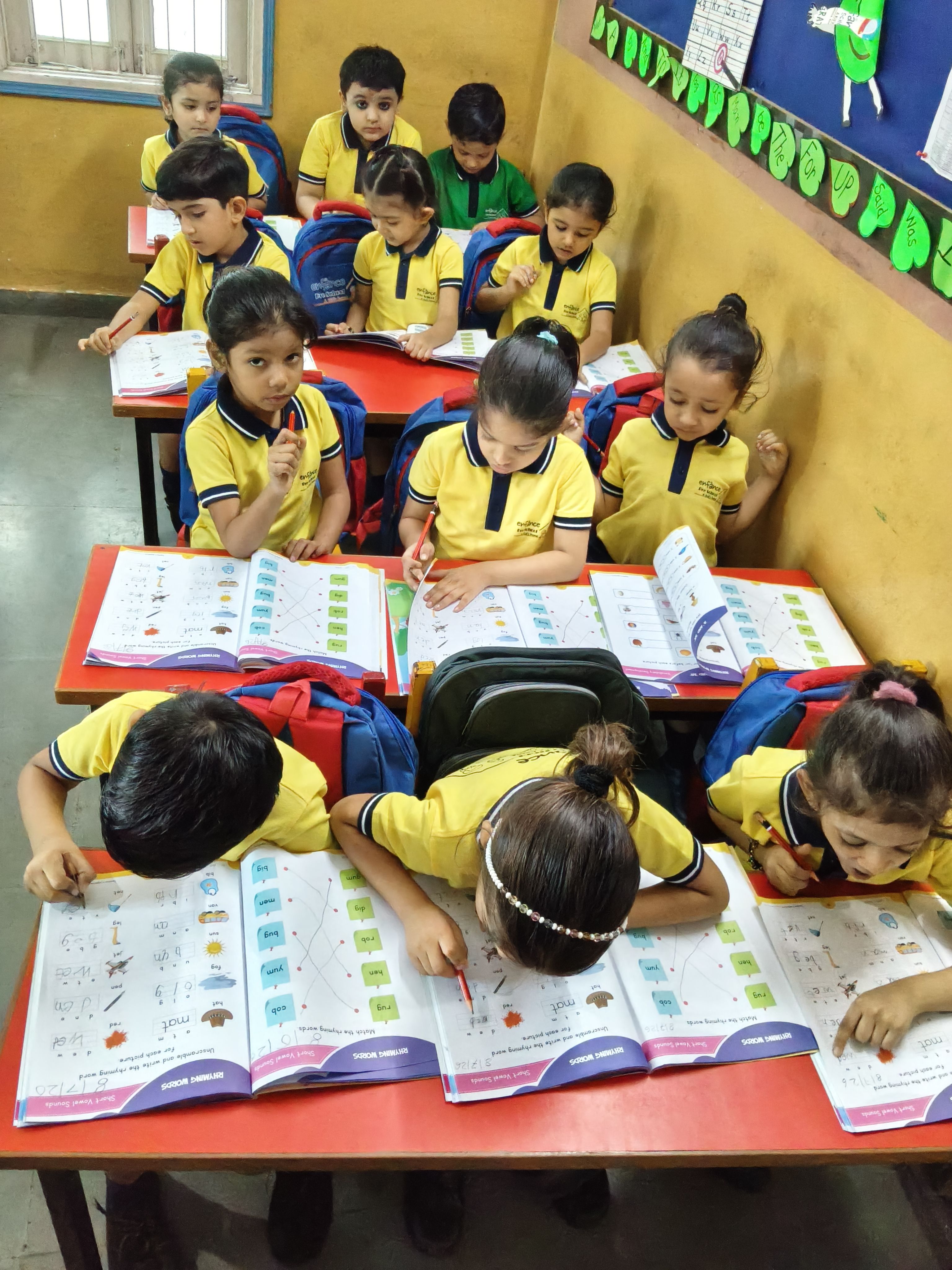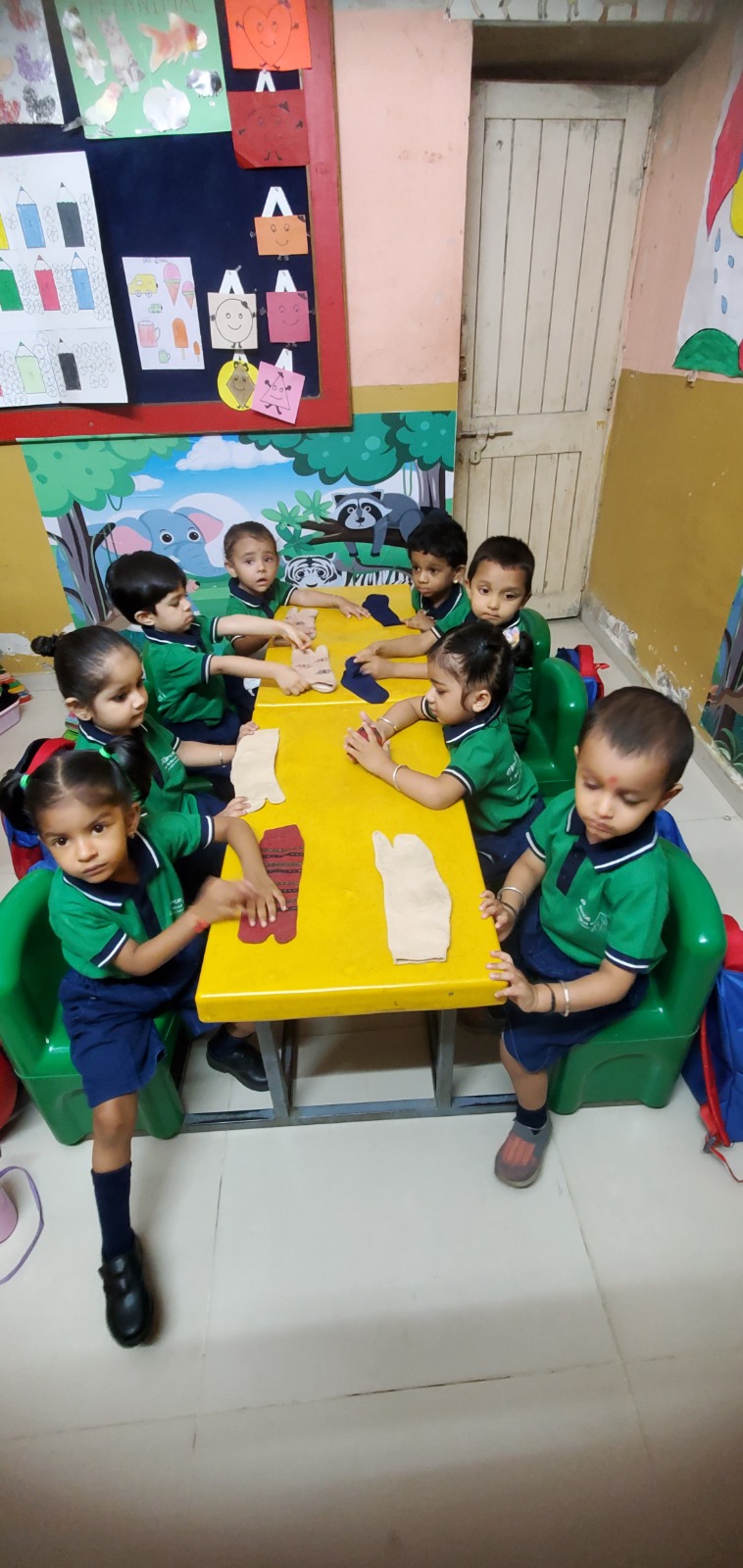
At Enfance, we deeply believe that play is not a break from learning — it is learning. Research from leading child development experts consistently shows that when children play, they build critical neural pathways that form the foundation of all future learning.
The Science Behind Play
When a child stacks blocks, they are not just playing — they are experimenting with physics, developing spatial reasoning, and practising patience. When they role-play as a teacher or a doctor, they are building empathy, language skills, and social awareness.
The American Academy of Pediatrics emphasises that "play is so important to optimal child development that it has been recognised by the United Nations High Commission for Human Rights as a right of every child."
What Play-Based Learning Looks Like at Enfance
Our classrooms are designed as "yes" environments — spaces where curiosity is celebrated and exploration is encouraged. You will find:
- Discovery corners with sand, water, and natural materials
- Art studios stocked with paints, clay, and collage supplies
- Dramatic play areas with dress-up clothes and prop kitchens
- Outdoor gardens where children grow, observe, and wonder
How Parents Can Support Play at Home
The best toy you can give your child is unstructured time. Put away screens for an hour each day and provide simple materials — cardboard boxes, crayons, water and cups. Then step back and watch the magic happen.
At Enfance, we partner with families to ensure that the joy of play-based learning extends from our classrooms into every home. Because when school and home speak the same language, children truly thrive.