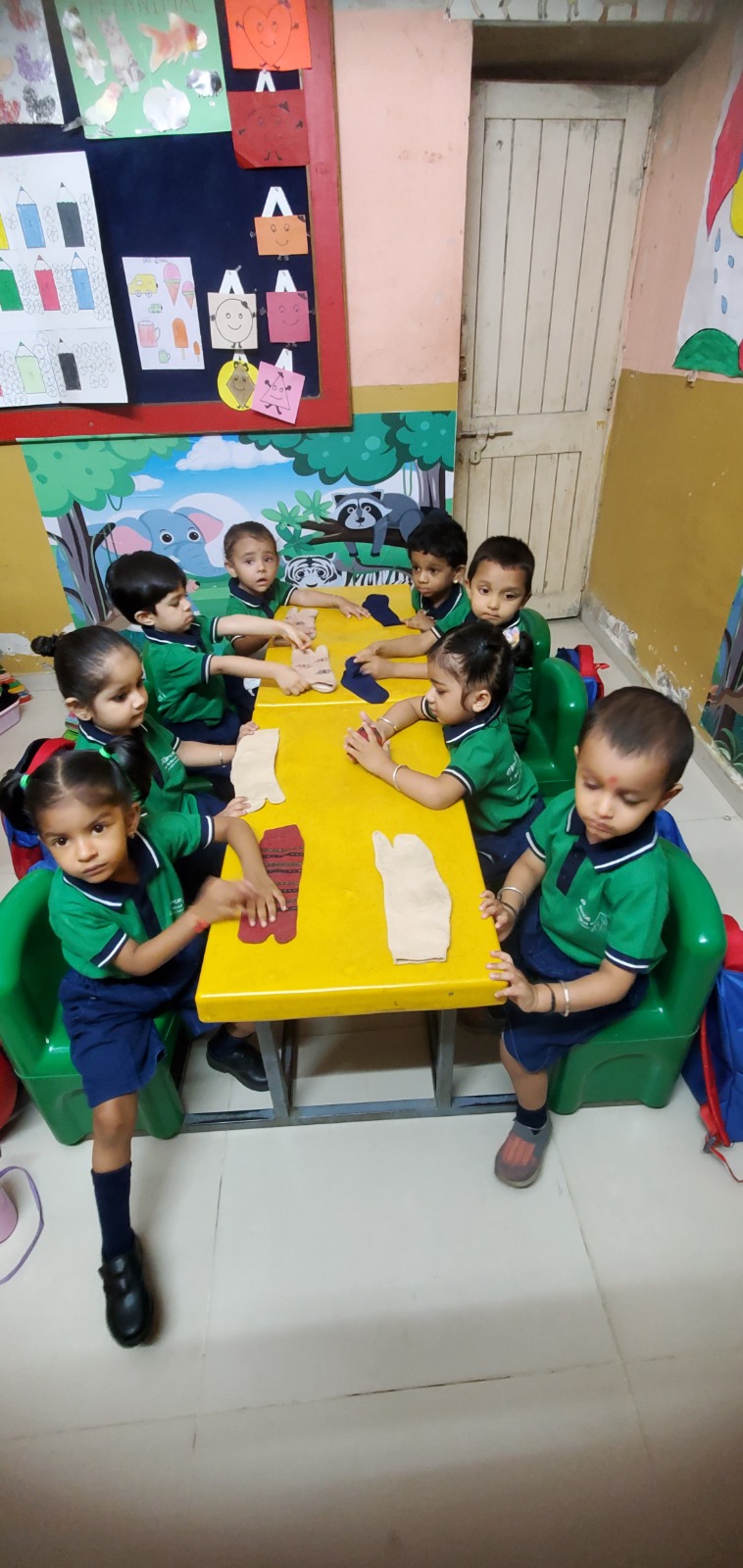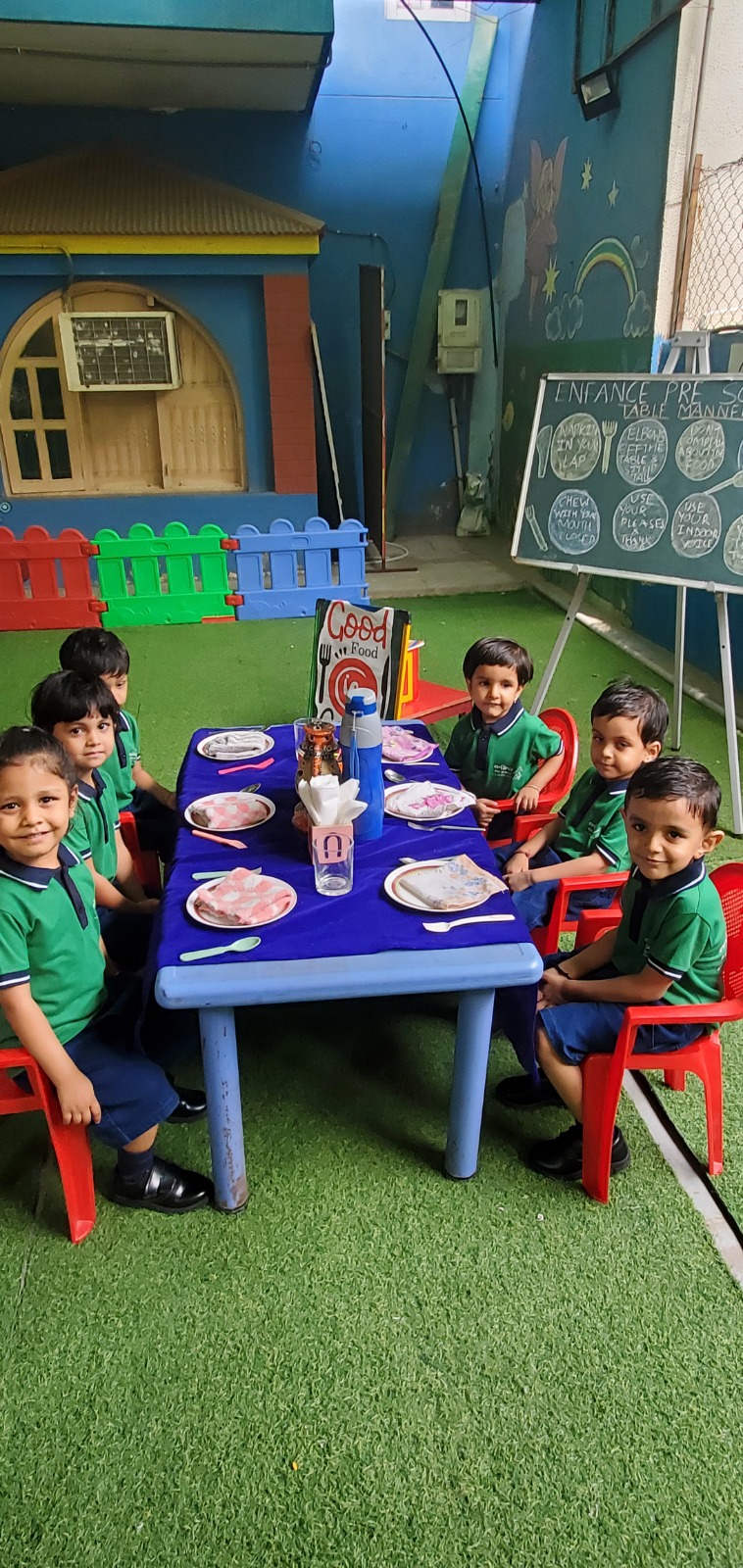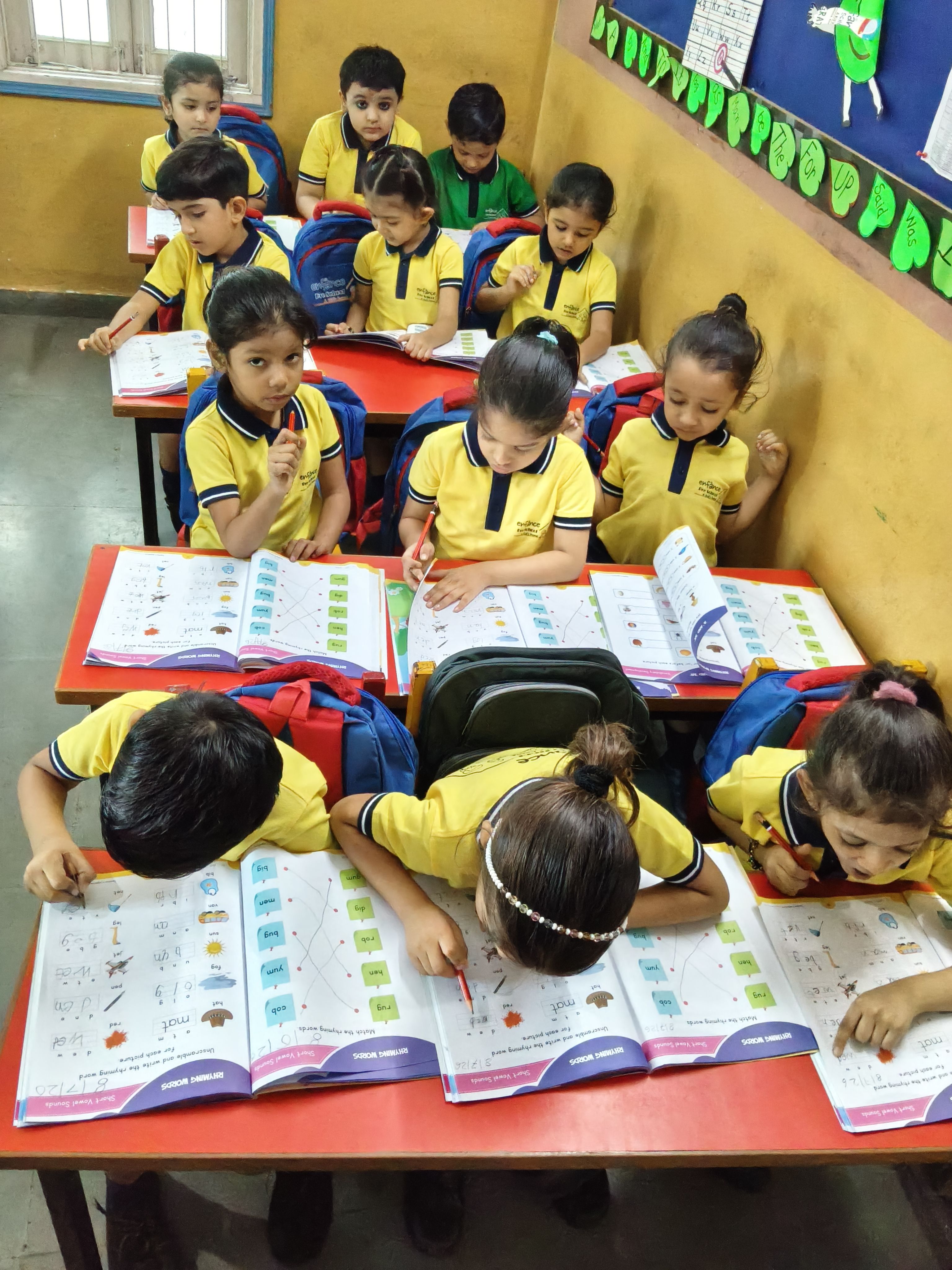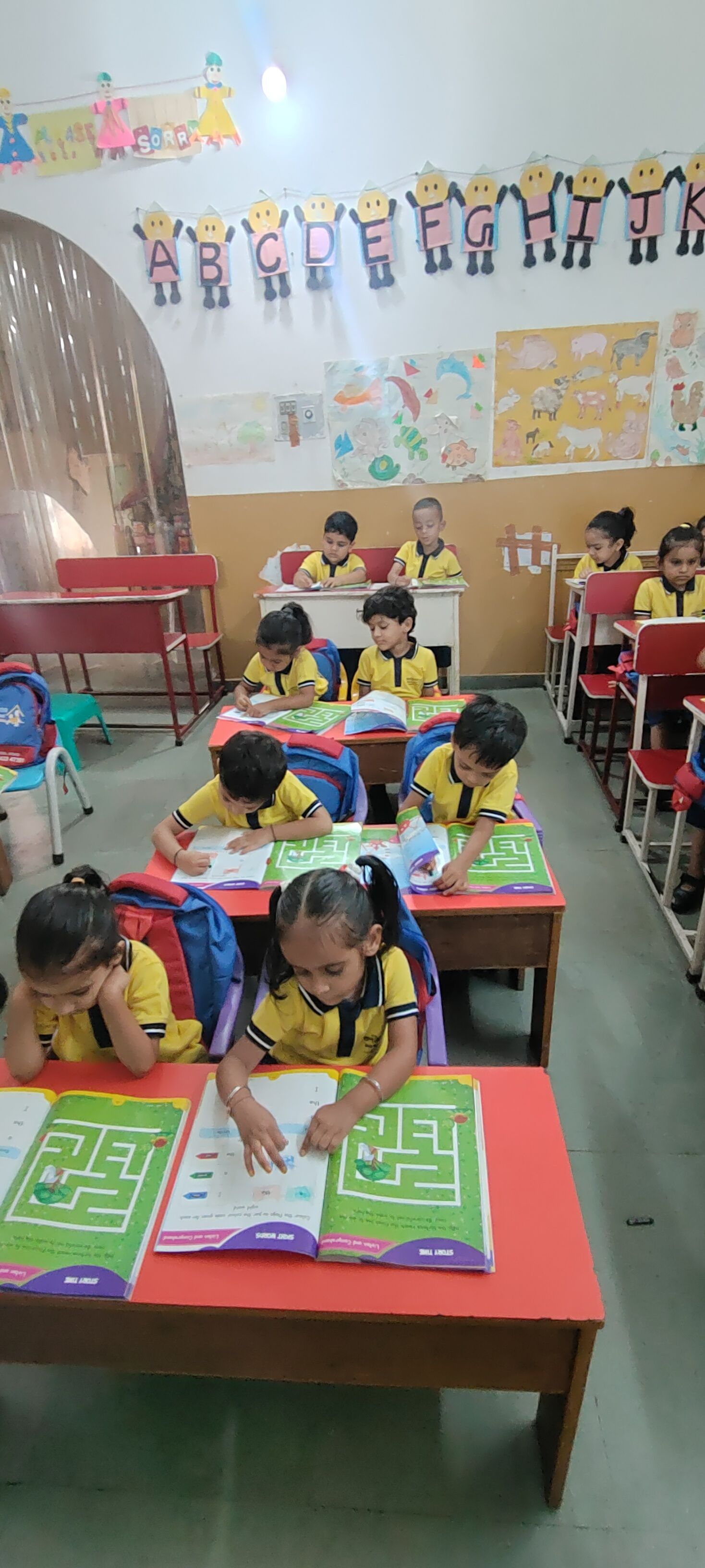
Walk into any Enfance classroom and you will likely find children with their hands deep in something — sand, water, slime, playdough, or soil. This is not a free-for-all — it is carefully planned sensory play, and the developmental benefits are profound.
What is Sensory Play?
Sensory play is any activity that engages one or more of the senses: touch, smell, taste, sight, sound, movement, and balance. When children explore their world through their senses, they build nerve connections in the brain's pathways, which supports cognitive growth and problem-solving skills.
Key Benefits
Language Development
Sensory play naturally provokes rich language — words like "squishy," "grainy," "slippery," and "rough" expand vocabulary in a way that a worksheet never could.
Fine Motor Skills
Squeezing playdough, pinching sand, pouring water — all of these build the hand and finger strength that children will later need for writing.
Emotional Regulation
There is a reason we reach for a warm cup of tea when stressed. Sensory experiences are calming. For children who struggle with big emotions, a calm sensory corner can be transformational.
Scientific Thinking
Children naturally experiment during sensory play: "What happens if I add more water? What if I freeze it?" This is science in its purest form.
Easy Sensory Ideas at Home
- A tray of dry rice or lentils with cups and spoons
- Cloud dough (8 parts flour + 1 part baby oil)
- An ice tray with coloured water and droppers
- A nature walk to collect leaves, stones, and bark
We love seeing the sensory trays you set up at home — share your creations with us on WhatsApp!